
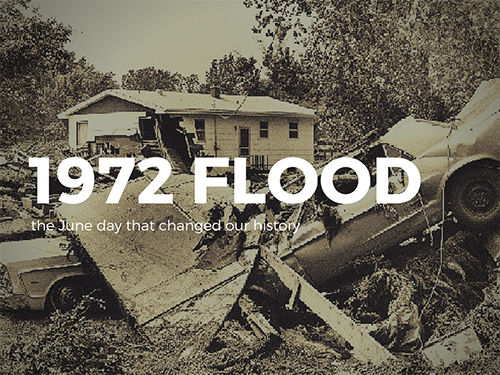


 Flooding is our nation's most common natural disaster. Flooding can happen anywhere.
However, all floods are not alike. Some can develop slowly during an extended period of rain, or in a warming trend following a heavy snow. Others, such as flash floods, can occur quickly, without much warning. Be prepared for flooding no matter
where you live, but particularly if you are in a low-lying area, near water, or downstream from a dam. Even a very small stream or dry creek bed can overflow and create flooding.
Know Your Flood Risk
- Visit FEMA's Flood Map Service Center to determine if your home is in a flood zone.
- If you are in a flood area, and you purchase flood insurance, did you know it takes 30 days for a policy to go into effect. Homeowner's policies do not cover flooding. Talk to your insurance provider to get flood coverage under the National Flood Insurance Program (NFIP)
Driving Dangers in Flooding
Driving in heavy rain and flooding can be hazardous. Consider whether your journey is essential or can it be put off until after heavy rain has subsided. If you must drive or find yourself in a heavy rain storm:
- Use headlights when visibility is reduced no matter what time of day it is.
- Look out for large or fast-moving vehicles creating spray, which reduces visibility.
- Improve vision in wet weather by replacing windshield wipers if worn or damaged.
- Reduce your speed and leave more space between you and the vehicle in front to account for greater stopping distances – remember the two-second rule.
- Driving too fast through standing water could cause your tires to lose contact with the road. If your steering suddenly feels light, you could be hydroplaning. To regain grip, ease off the accelerator, do not brake, and allow your speed to reduce until you gain full control of the steering again.
- Double the distance you leave between you and the car in front of you.
- If steering becomes unresponsive due to rain, ease off the accelerator and slow down gradually.
Flood Waters
Flash flood waters move at an incredible speed, roll boulders, tear out trees, and destroy buildings, roads, and bridges. Walls of water can reach 10 to 20 feet in height very quickly and without warning. The moment a flash flood warning is issued for your area or when you first realize that a flash flood is imminent, act quickly to save yourself. If advised to evacuate, do so immediately...you may have only seconds. Watch for signs of heavy rain upstream of your location or rising water. If you see rising water or a flash flood warning is issued, go to higher ground immediately! Follow evacuation instructions, but don’t wait for them if you think you are in danger. Act quickly to save yourself--you may have only seconds to escape danger.
In general:- Go to high ground immediately.
- Leave canyons, valleys, and other low-lying areas. Go to high ground immediately!
- Do not try to cross a flowing stream on foot. You can be pushed over by flowing water only six inches deep!
- Do not place your vehicle, camper, or tent along streams, creeks, or washes, particularly during threatening weather. Do not place your vehicle, camper, or tent in areas where your only exit crosses a stream. Choose campsites away from creeks and other low-lying areas.
- When water threatens your campsite, leave immediately. Do not attempt to save your camper, tent, clothing, or other personal belongings.
- Do not drive through flooded areas. Flood water can wash a vehicle from the roadway and the road under the water may no longer be intact. If you are driving, watch for flooded bridges and low areas in the road. NEVER drive through water if you don’t know how deep it is. Just six inches of water will reach the bottom of most passenger cars; this depth can cause loss of control or possible stalling as water is sucked into the exhaust or washes into the air intake.
- Your vehicle can be swept away by flowing water in as little as one foot of water - this can be extremely dangerous because as the wheels lose grip, you lose control. Be especially cautious at night when flood waters are difficult to see.
- If your vehicle stalls, abandon it immediately and seek higher ground. Rising flood water may engulf and sweep it away.

Preparing For Flooding-What You Can Do
BEFORE FLOODING:
- Be prepared to evacuate.
- Identify places to go.
- Identify alternative travel routes that are not prone to flooding.
- Plan what to do with your pets.
- Fill your car’s gas tank.
- If told to leave, do so quickly.
- Review your Family Disaster Plan.
- Discuss flood plans with your family.
- Decide where you will meet if separated.
- Designate a contact person who can be reached if family members get separated.
- Make sure every family member has the contact information.
- Drinking water – Fill clean containers.
- Food that requires no refrigeration or cooking.
- Cash
- Medications and first aid supplies
- Clothing, toiletries
- Battery-powered radio.
- Flashlights.
- Extra batteries.
- Important documents: insurance papers, medical records, bank account numbers.
- Move valuables and furniture to higher levels.
- Move hazardous materials (such as paint, oil, pesticides, and cleaning supplies) to higher locations.
- Disconnect electrical appliances. Do not touch them if you are wet or standing in water.
- Bring outside possessions indoors or tie them down securely. This includes lawn furniture, garbage cans, and other movable objects.
- Seal vents to basements to prevent flooding.
- Don’t drive unless you have to. If you must drive, travel with care.
- Make sure your vehicle has enough fuel.
- Follow recommended routes. DO NOT sightsee.
- Avoid disaster areas. Your presence might hamper rescue or other emergency operations and put you at further risk.
- Watch for washed out roads, earth slides, and downed trees or power lines.
- Be especially cautious at night, when it is harder to recognize flood dangers.
- If the vehicle stalls, abandon it.
- If water rises around your car, leave the vehicle immediately. Climb to higher ground as quickly as possible.
- NEVER drive through flooded roadways. Turn Around, Don’t Drown. Get to high ground.
- Evacuate immediately if you think you are at risk or are advised to do so!